

Why is Dust Increasing During Foam Cutting?
- 2026-01-06
- HK & KMS Cutting Machine Manufacturers
- 881
Recently, we have received feedback from several customers indicating that they feel there is more dust generated during foam cutting than before.
First and foremost, we highly value every one of your production experiences.
After in-depth discussions with upstream raw material experts and our production department, we have discovered that this may be associated with material innovations across the entire industry undertaken to enhance product performance.
We hope to communicate openly with you about the root causes of this change and provide practical solutions.
I. New Challenges from "Evolution"
Traditional thinking often attributes cutting dust to the equipment blade or the process.
However, today, the primary cause may originate from the foam itself:
II. Innovations in Foaming Technology and Formulas:
2.1 Pursuit of Better Performance
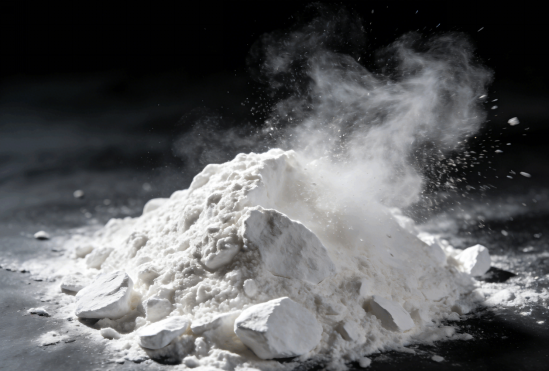
Modern foams incorporate various functional fillers and additives (such as calcium carbonate, talc, various minerals, and recycled materials) into their formulations to meet higher requirements for cushioning, resilience, lightweighting, or environmental flame retardancy.
After foaming, the bond between these added particles and the polymer matrix may be weaker, making them more prone to being dislodged during cutting and forming dust.
2.2 Cost Reduction and Environmental Considerations
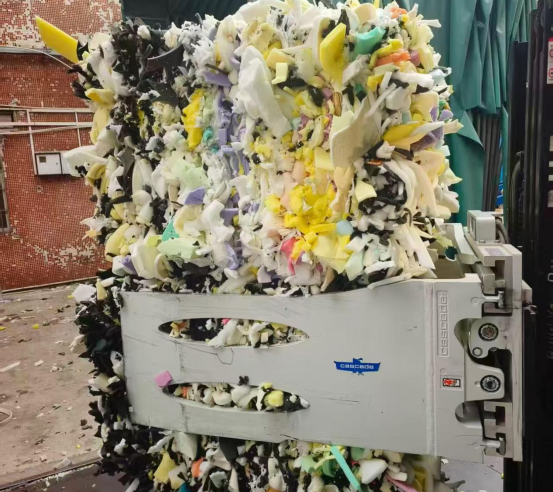
The widespread use of recycled materials within the industry is a positive environmental initiative.
However, recycled materials, having undergone multiple processing cycles, experience partial molecular chain breakage.
Their inherent strength is somewhat lower compared to virgin material, making them more susceptible to generating debris during cutting.
III. Systematic Troubleshooting
When you encounter an abnormal increase in dust, we recommend you work with us to conduct a systematic investigation following these steps:
3.1 Communicate with Material Suppliers
Contact your foam supplier and provide the batch number. Inquire:
- Has there been any adjustment to the formulation for this batch? Were new fillers added or the proportion of recycled material increased?
- Are there any official specifications for fluctuations in material density or hardness?
Confirm from the source whether this is a batch-specific, systemic issue with the material.
3.2 Inspect Equipment
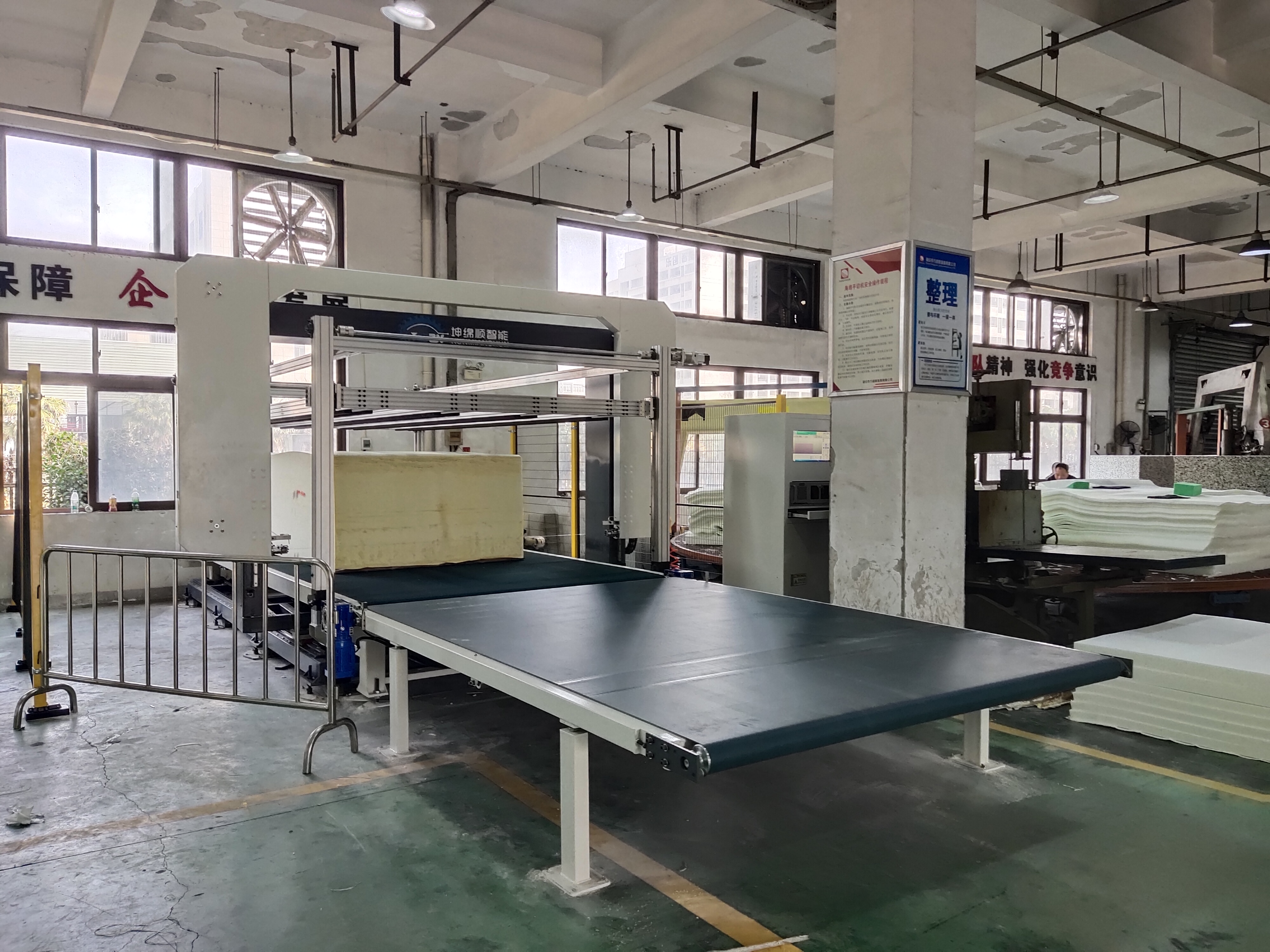
- Check the blade: Is it worn or dull? This is the most straightforward cause.
- Check parameters: Have the cutting speed and pressing depth been optimized for the new batch of material?
3.3 Collaborative Testing
If sample materials are preserved, conduct a comparative cutting test using the previous batch's retained sample and the current batch on the same equipment with identical parameters.
This controlled experiment is the most scientific way to determine whether the problem stems from material changes or other variables.
Conclusion
The advancement of foam technology is ongoing, and the processing challenges it brings require transparent communication and joint responses from all parties along the industrial chain.
The next time you feel "dust is increasing," please do not hesitate to contact us immediately. Let us work together to identify the problem and resolve your concerns.